Spotting trouble early on in Norfolk homes
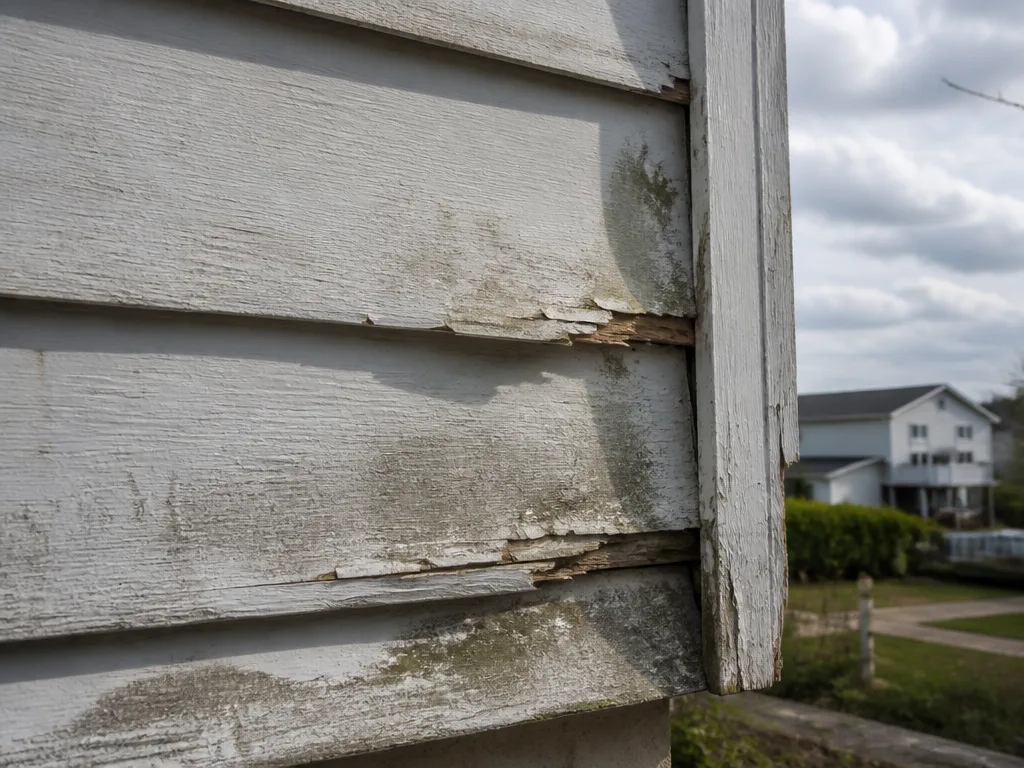
Our team at Siding Norfolk spends a lot of time helping neighbors spot issues before they turn into big repairs. In Norfolk you’ll see a few telltale signs that say it’s time to take a closer look at the siding. Warping that holds water, loose panels, and seams that show daylight are all red flags. If you see these signs around doors, windows, or under eaves, it’s a signal to bring in a siding specialist for a closer look.
Another common indicator in our coastal climate is condensation behind siding or a musty smell near the exterior. That moisture can lead to rot or mold if left unchecked. Don’t assume it will go away on its own; moisture needs a path out and a plan to stop it at the source.
Color fading and frequent repaint cycles can also point to underlying siding health. If you’re repainting more often than you’d expect, it might be covering up material that’s failing or not sealing properly in Norfolk’s humidity.
Why these signs matter here in Norfolk
Norfolk’s weather brings humidity, rain, and occasional strong winds. That mix challenges siding materials, and small gaps can become bigger gaps quickly. A warped plank or a loose seam can let moisture behind the siding, which can affect the wall structure over time. With our mild winters and hot summers, insulation and air leaks are another concern that often traces back to compromised siding.
If you notice any of the signs above, the right move is to call a siding specialist. A pro from Siding Norfolk will assess the siding system as a whole, material type, age, paint or sealant condition, and how the siding interacts with the home’s moisture management. Early detection keeps costs reasonable and the home comfortable in Norfolk weather.
What to expect from a professional assessment
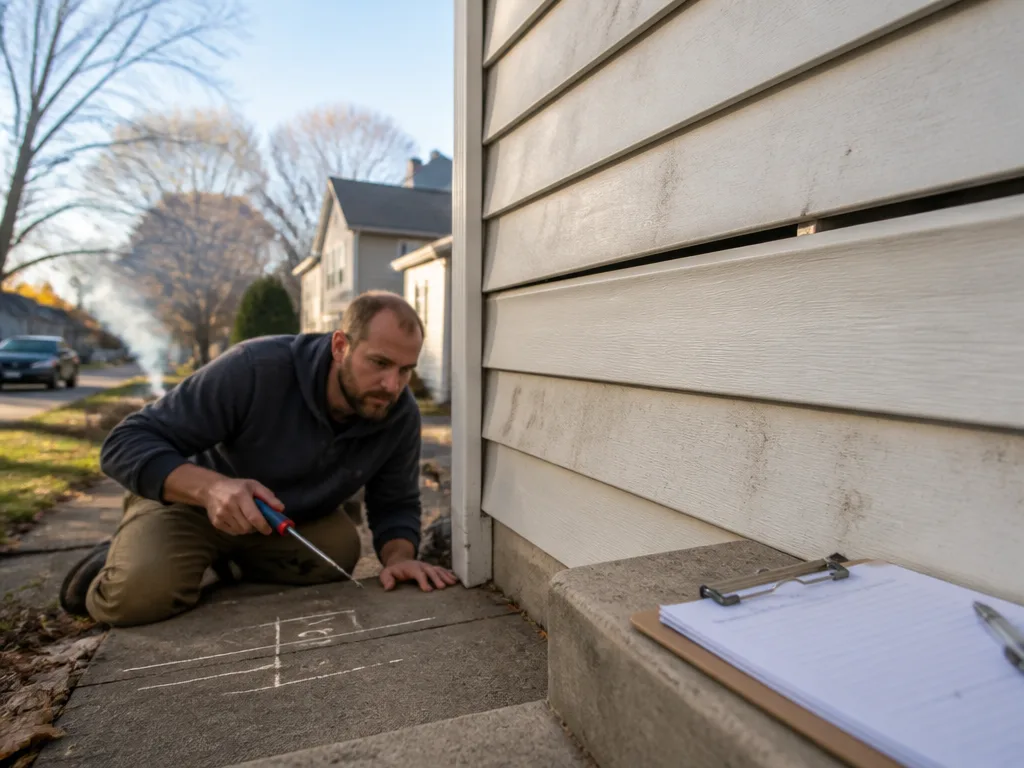
A Norfolk siding specialist starts with a visual inspection of exterior panels, flashing, and trim. They’ll check for signs of water intrusion, loosened fasteners, and any gaps around doors and windows. They may tap panels to listen for hollow sounds that indicate rot behind the siding. Expect the assessment to include a quick check of attic and crawlspace moisture as well, since moisture often travels from the top down.
After the inspection, you’ll receive a clear, itemized plan. It might be a simple repair, or it could involve resealing, replacing damaged boards, or updating flashing to stop leaks. A good contractor will explain costs and options without pressuring you into a big job. If you’re in Norfolk, a local siding specialist from Siding Norfolk can tailor the plan to our climate and your home’s layout.
Concrete steps you can take now
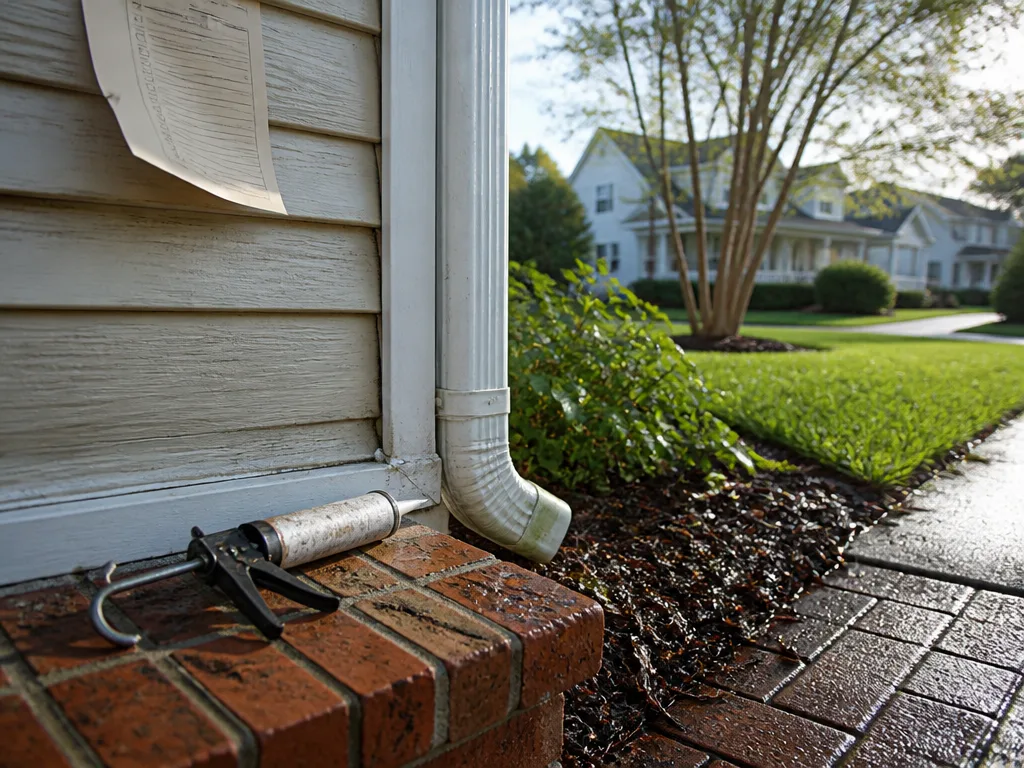
Clear clogged gutters and ensure downspouts direct water away from the foundation. Inspect for paint failure or sealant cracks near corners and around windows. Keep an eye on any area where the siding meets the ground; soil contact can wick moisture into the siding over time. These small actions help extend the life of the siding and give your next professional assessment a clearer picture of what’s needed.